How to Choose Wheelchair Models for Your Market
Most first containers fail in one of two ways. Either the distributor stocks ten models and ties up capital in slow movers, or they buy one cheap model, win on price for six months, and then watch a competitor take the market with a proper range. Both failures are avoidable with a selection framework. This is the one we walk through with new distribution partners before we quote a single unit.
Start with four buyer groups, not with a catalog
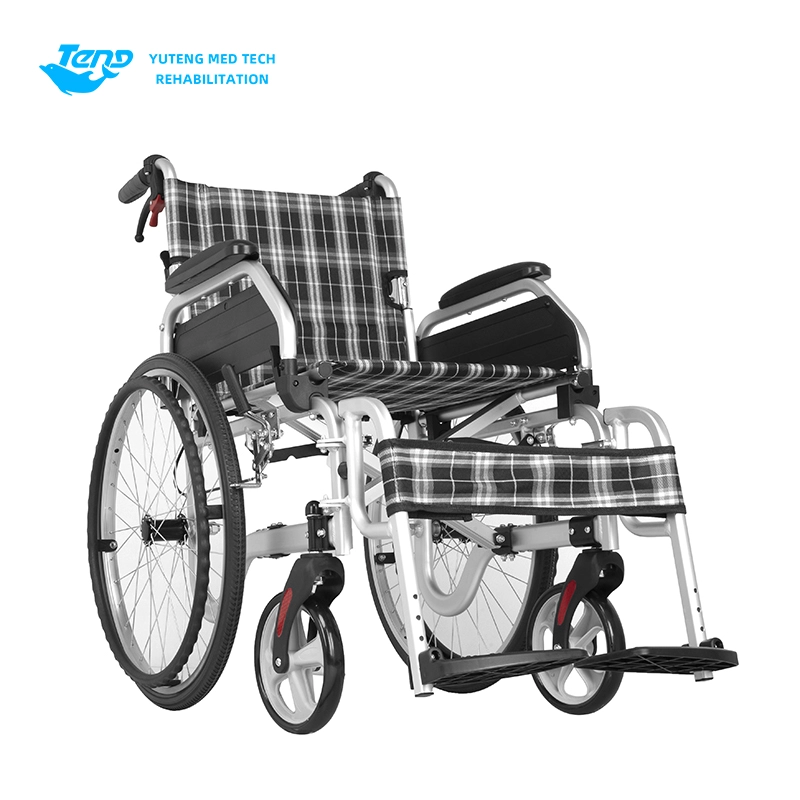
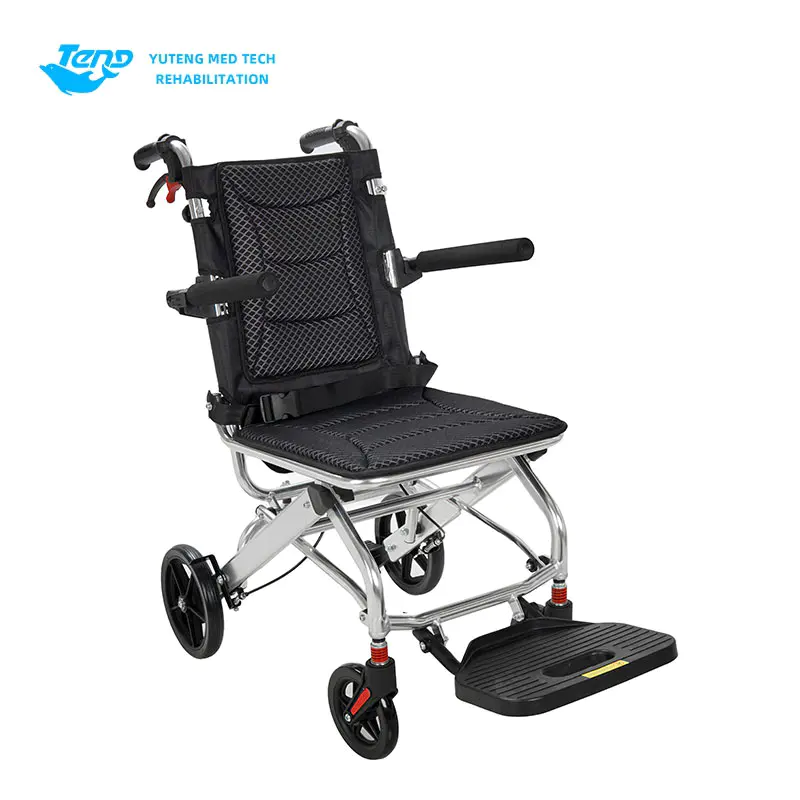
Every wheelchair in your market is bought by one of four buyer groups, and each group buys different things for different reasons. Retail families buy folding manual wheelchairs and lightweight transport chairs: they shop on price, folded weight (can a caregiver lift it into a boot?) and how medical the chair looks. Care institutions - nursing homes, hospitals, rehab centers - buy reclining, tilt-in-space and bariatric models: they buy against specifications, and cleanability plus durability outrank appearance. Tender buyers - government programs, NGOs, Red Cross-style procurement - buy standard manual wheelchairs in volume against a written specification, where compliance documents matter as much as the product. Specialty buyers - basketball clubs, racing programs, cerebral palsy therapy centers - buy in small quantities with high margins and expect the factory to work from measurements.
Write down which of the four groups your business actually reaches today. A pharmacy chain reaches retail families; a tender agent lives entirely in group three. Your model range should follow your reachable buyers, not the factory's full catalog. Our wheelchair types guide maps every family to these groups if you need the cross-reference.
Price bands decide the range more than features do
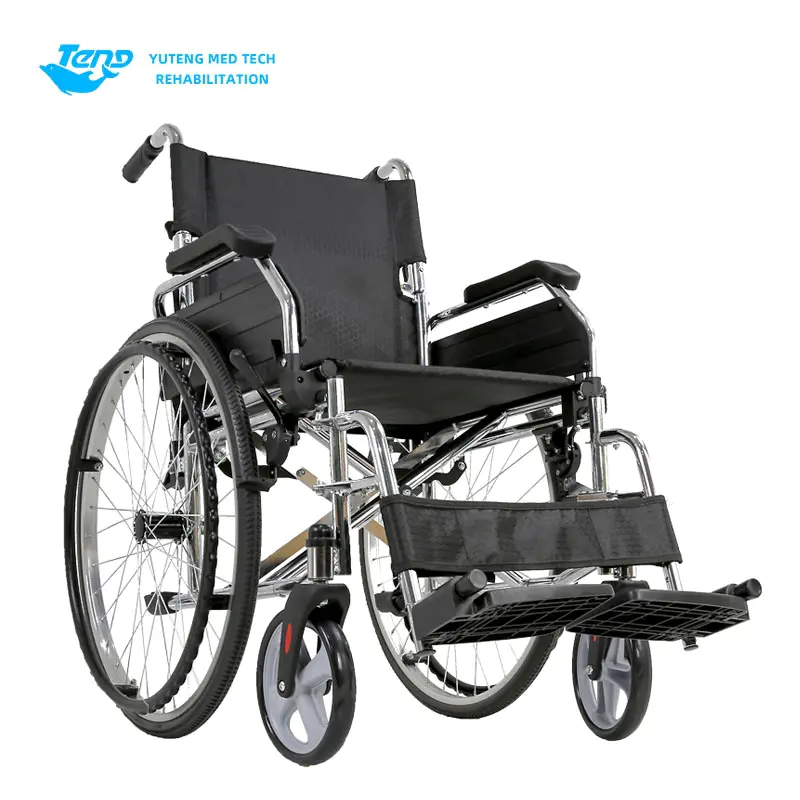
In nearly every market we supply, manual wheelchairs sell in three bands. The entry band is steel-frame, basic upholstery, aggressively priced - it competes purely on price and lives in tenders and pharmacy promotions. The mid band is aluminum frames with better finishes and lighter weight - this is where volume actually lives, because the price gap to entry is small while the perceived quality gap is large. The premium band is carbon fiber and engineered lightweight models - slower turnover, but margins that fund the whole range. Electric wheelchairs form their own band where after-sales capability matters as much as the product itself.
The practical rule: pick two models per band, not ten. A narrow range with depth sells faster than a wide range with one unit each. If you cannot say which band a proposed model sits in and who buys it, do not put it in the container.
Certification is a gate, not a checkbox
CE marking opens the EU, the Gulf, and much of Southeast Asia. FDA registration is required for the United States market. Before you commit to a market, get the supplier's test reports for the exact models you plan to buy - a factory-level certificate does not automatically cover every model. Two document checks save enormous trouble later: first, that the certificates name the model family you are buying; second, for electric models, that the lithium battery has its own shipping documents (more on that in our electric wheelchair buying guide). Bariatric programs add a third: the fatigue test report behind the weight capacity claim.
The 60/25/15 first-container split
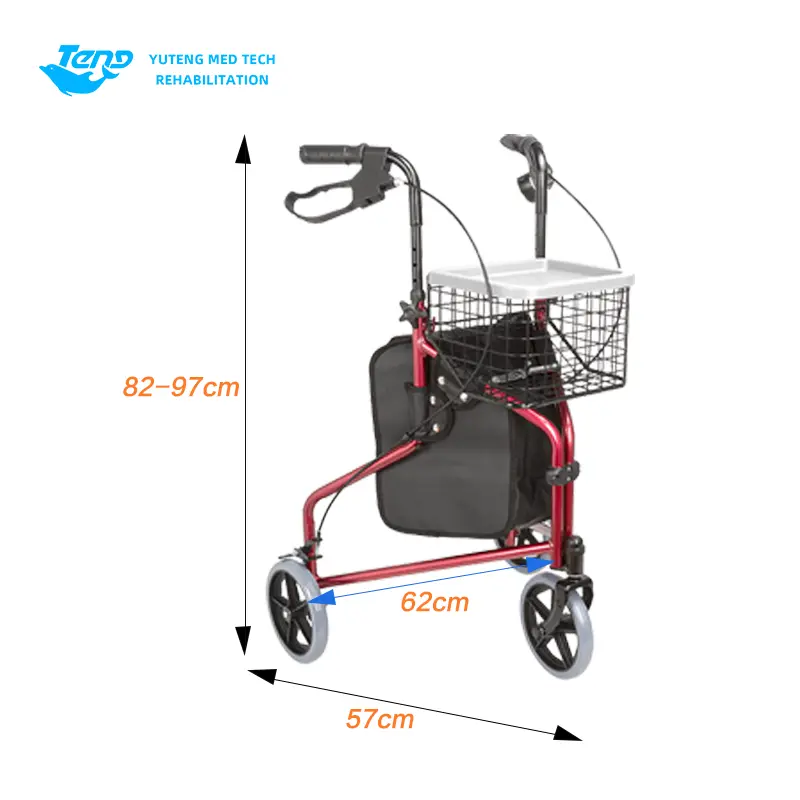
When a distributor asks us what to put in a first container, we recommend roughly this split by value. Sixty percent volume models: standard and lightweight folding manual wheelchairs in the two or three seat widths your market actually uses - most concentrate on 40, 45 and 51cm. Twenty-five percent margin models: electric folding wheelchairs, commode chairs, rollators - products that sell alongside the manual range to the same buyers. Fifteen percent specialty: one pediatric model, one bariatric model, maybe one sports chair. The specialty units move slowly, but they differentiate your catalog and open conversations that volume models never will.
One more container-level number worth knowing before you order: a 20-foot container typically holds 120-180 folded manual wheelchairs depending on carton design, while electric models occupy three to four times the volume per unit. Ask the factory for carton dimensions before you plan warehouse shelving, and ask for retail-ready cartons if you sell through dealers - repacking at destination costs more than the better carton did.
The mismatches that generate returns
Returns cluster around three mismatches, and all three are visible in the spec sheet before you buy. A small-wheel transit chair sold to a user who needed self-propelling rear wheels will come back. A chair bought on seat width alone that ignores seat depth generates pressure complaints. And an entry-band chair sold into a rental fleet dies early and blames your brand. If you read nothing else on a spec sheet, read seat width, folded size, rear wheel diameter and weight capacity - our spec sheet reading guide explains what each number predicts.
Manual or electric first?
Distributors with strong retail reach often ask whether to lead with electric models, since the margins look attractive. The honest answer: electric wheelchairs only work as a leading category if you can support them - battery service, controller diagnostics, and a customer who expects a technician, not a courier box. If your operation is built around volume retail, lead with manual and let electric grow from demand; if you have service capability or a dealer network, electric from day one is defensible. What you should not do is buy electric models at manual-model quantities and hope - a half-supported electric range generates exactly the service calls that eat the margin.
One supplier or several?
Splitting a first program across three factories sounds like risk management and usually produces the opposite: three freight consolidations, three document sets, three QC standards, and nobody accountable when two of the ranges do not match. The efficient path is one factory for the core range - where volume earns you priority and consistency - plus a second source only for a genuinely specialized line (a sports program, for instance) once the core is moving. Consolidation is also what makes OEM programs economical later: your branding investment amortizes across every model in the range, not one.
How much configuration choice should you offer?
Fewer than you think. Two or three upholstery colors, one or two frame finishes, and the seat widths your market uses will cover the overwhelming majority of orders. Every added configuration multiplies inventory lines, forecast complexity and the small print on your price lists. The configurations that matter are decided by the market's care habits - push-rim versus attendant brakes in some markets, elevating legrests where leg injuries are common - and your factory's sales team should know these patterns; ask them before you invent your own matrix.
Start narrow, sell through, then widen
The distributors who grow fastest with us did not start with the widest range. They started with four to six models, sold through, logged which configurations their customers asked for, and filled the second container from their own sales data. If you send us your market profile - which buyer groups you reach, the price bands that move, and your certification requirements - our team will propose a starter range with an itemized quotation, usually within 48 hours.