Buying Electric Wheelchairs: Batteries & Compliance

Electric wheelchairs carry the highest margins in most mobility catalogs - and they are the only category that can strand your capital at a port on a paperwork technicality. The chairs themselves are straightforward; the risk lives in batteries, certification scope and after-sales depth. This guide is for the technical buyer deciding whether - and how - to add power models to the range, written by the factory side of those conversations.
Battery freight rules: the documents decide your shipping options
Lithium-ion batteries are dangerous goods for transport, and every leg of the journey runs on paperwork. Three documents must exist before you order. The MSDS (safety data sheet) for the exact battery model fitted. The UN38.3 test summary - the UN transport safety test series covering altitude simulation, thermal cycling, vibration, shock, external short circuit, impact/crush, overcharge and forced discharge. And the packing classification: batteries installed in equipment ship as UN 3481, spare batteries alone as UN 3480 - the two have different packaging instructions and different airline rules. Ask a prospective supplier for all three documents on a specific model before quoting; a factory that cannot produce them promptly will strand your container.
The 2026 air-freight change buyers should know
Air rules tightened as of January 2026: lithium-ion batteries shipped alone (UN 3480) must be at a maximum 30% state of charge for air transport, and carriers increasingly require the UN38.3 test summary to accompany the booking. For wheelchair distributors the practical reading is this: sea freight remains the default for container programs (class 9 dangerous goods under IMDG, with a DG declaration and lithium-battery marks), and air freight is the exception - typically a rush spare part, where the watt-hour rating and airline approval matter. Wheelchair batteries commonly sit in the 200-300Wh range, which is above the 100Wh threshold where airline approval requirements kick in. Plan sea; use air only with a dangerous-goods forwarder.
CE scope: two certificates, matching model numbers
For powered wheelchairs the CE question is not 'do you have CE?' but 'what exactly does the CE file cover?' The complete powered wheelchair needs its own conformity assessment - EMC and safety - and the battery pack should have its own certification from the battery manufacturer. The clean answer shows two certificates with matching model numbers. The answer to walk away from is 'the wheelchair is CE, the battery is being certified' - that gap is exactly where shipments get held at destination. This applies double for OEM programs: if the technical file must carry your brand name, say so at quotation, because updating the file takes longer than building the container.
Specify the controller, not just the chair
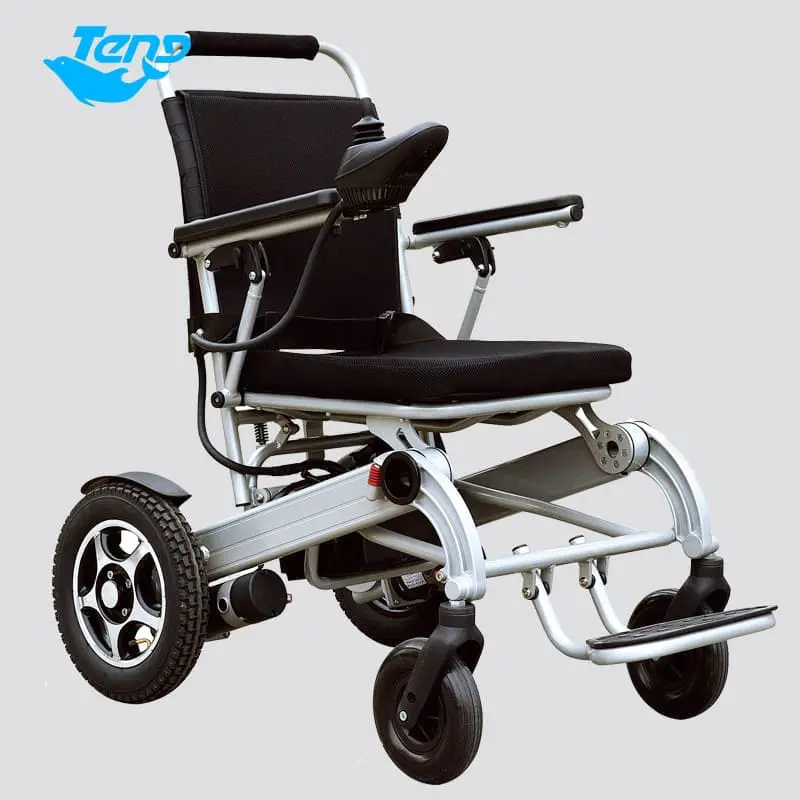
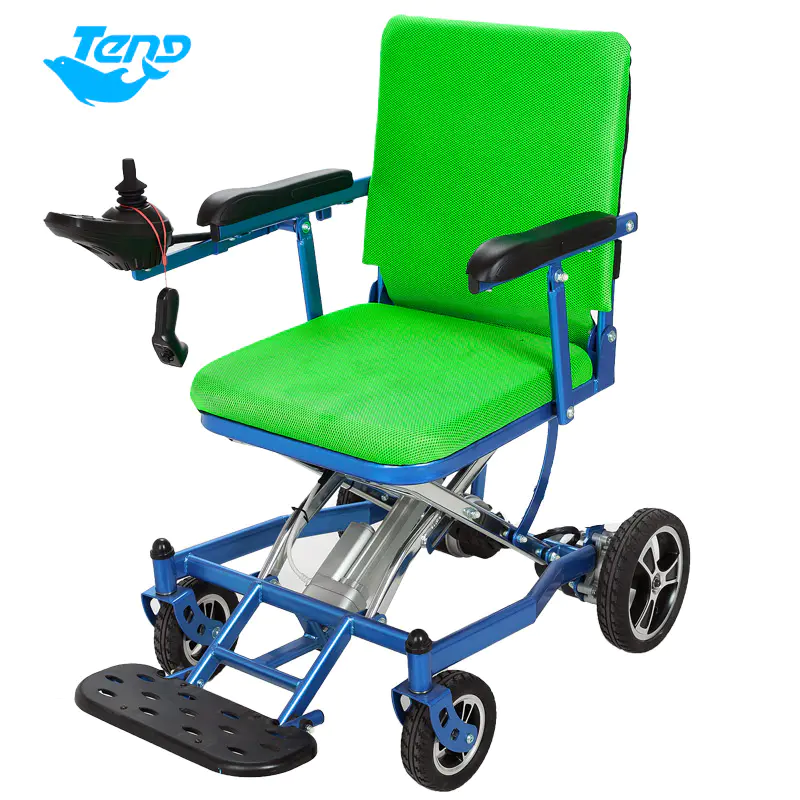
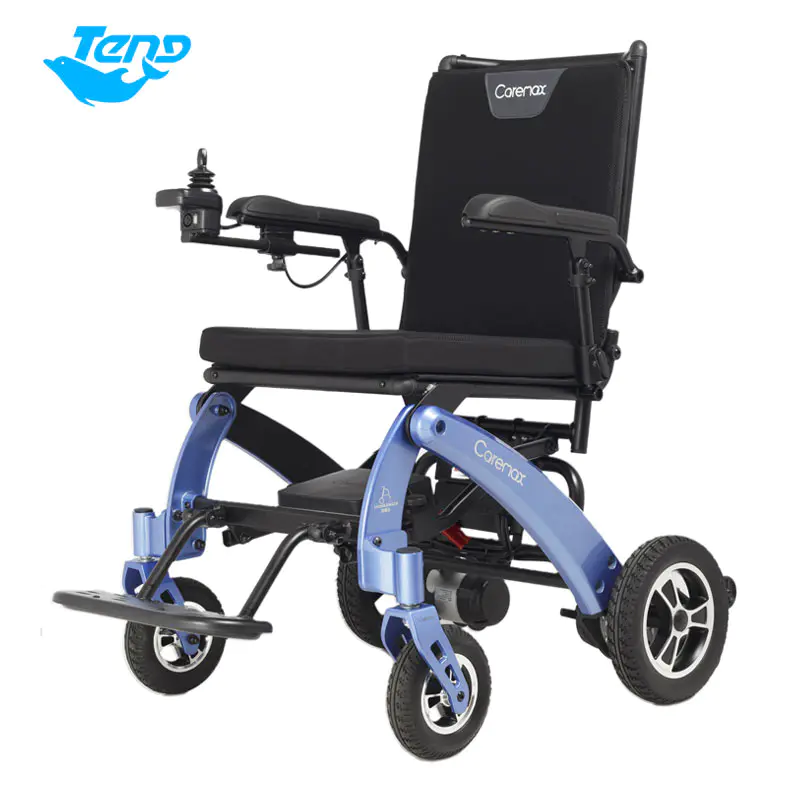
The joystick controller is the component users touch every day and statistically the one that fails most. It is also where a good supplier earns the 'technical partner' label. Specify: controller side (left/right mounting), joystick length and gait for users with limited grip, and whether you want a programmable controller - programmable units let your dealers tune speed profiles and response per user, which converts an after-sales visit into a selling point. Ask which controller brand is fitted, whether that brand's parts are stocked, and what the diagnostic interface is. A factory that answers these four questions in writing is a factory that has shipped electric models before.
After-sales depth beats price advantage
Manual wheelchairs forgive thin after-sales; power models do not. Before your first electric order, stock the failure-mode parts: controllers, batteries, motors, brake assemblies and a set of cables - roughly one spare set per twenty units as a first-year planning ratio. Ask the factory for its recommended first-year spares list; a manufacturer that knows its own failure modes produces the list without being asked, and one that hesitates has just told you something. Confirm the warranty workflow too: for overseas programs the workable model is photo/video-based claims with courier replacement of the part, not container returns.
Battery chemistry and cycle life: what the datasheet hides
Two electric wheelchairs with identical range claims can behave very differently after a year. Ask what cells the pack uses, who manufactures them, and what cycle-life rating the pack carries (charge cycles to 80% of original capacity). Lead-acid packs still appear on entry models - they are cheap, heavy and short-lived, and they change the freight calculation entirely because they are not lithium dangerous goods. For lithium packs, ask whether the battery management system (BMS) protects against deep discharge - users who leave chairs unplugged for weeks are the top warranty claim in cold markets. None of this appears on a consumer spec sheet; all of it appears in your service log by month fourteen.
Range claims: how to read them like a buyer
Range figures (typically 15-25km for folding models) are measured under ideal conditions: flat ground, light user, moderate speed, warm weather. Real-world range runs 60-75% of the claim in everyday use - hills, cold weather, heavier users and stop-start patterns all cut it. When you write your own marketing, either quote the factory figure with conditions or run your own test and publish that; overpromising range is the most common electric-wheelchair complaint after battery itself, and it is entirely avoidable with honest wording.
Charging infrastructure in your market
Ask what charger ships with the unit - branded or generic, output rating, plug standard - and whether it meets your market's electrical certification. A wheelchair that ships with a charger your market's regulator rejects is a wheelchair you are repacking. For care-institution buyers, check whether off-board chargers are available (charging the battery outside the chair speeds up institutional workflows) and whether spare chargers belong in your first spares order. They do.
Compliance paperwork: a buyer's folder checklist
Before the first electric order ships, your folder should hold: the UN38.3 test summary per battery model, the MSDS per battery model, the wheelchair's CE certificate and EMC report with matching model numbers, the battery pack's own certification, the charger's certification for your market, and the dangerous-goods training confirmation from your freight forwarder. Six documents, one folder, and every one of them is obtainable in advance from a competent factory. Build the folder before the order, not at the port.
What a sensible first electric order looks like
Start with one folding electric model in one battery configuration - 10 to 20 units - plus the full spares package and a printed service checklist in the box. Sell through, log every service call against the unit serial number, and let that log write your second order's specification. Electric wheelchairs reward distributors who support what they sell: the margin is real, the repeat business is real, and the moat it builds against pure-price competitors is real. The electric folding wheelchair page lists the full specification our program ships with, and our team will put together the spares package with the quotation - ask for both before you commit to any supplier.
The pattern across all of it: electric programs are won on preparation, not on nerve. Every item in this guide is a conversation you can have with a supplier before money moves - and a supplier's willingness to have those conversations is itself the most reliable signal you will get.